

Overview
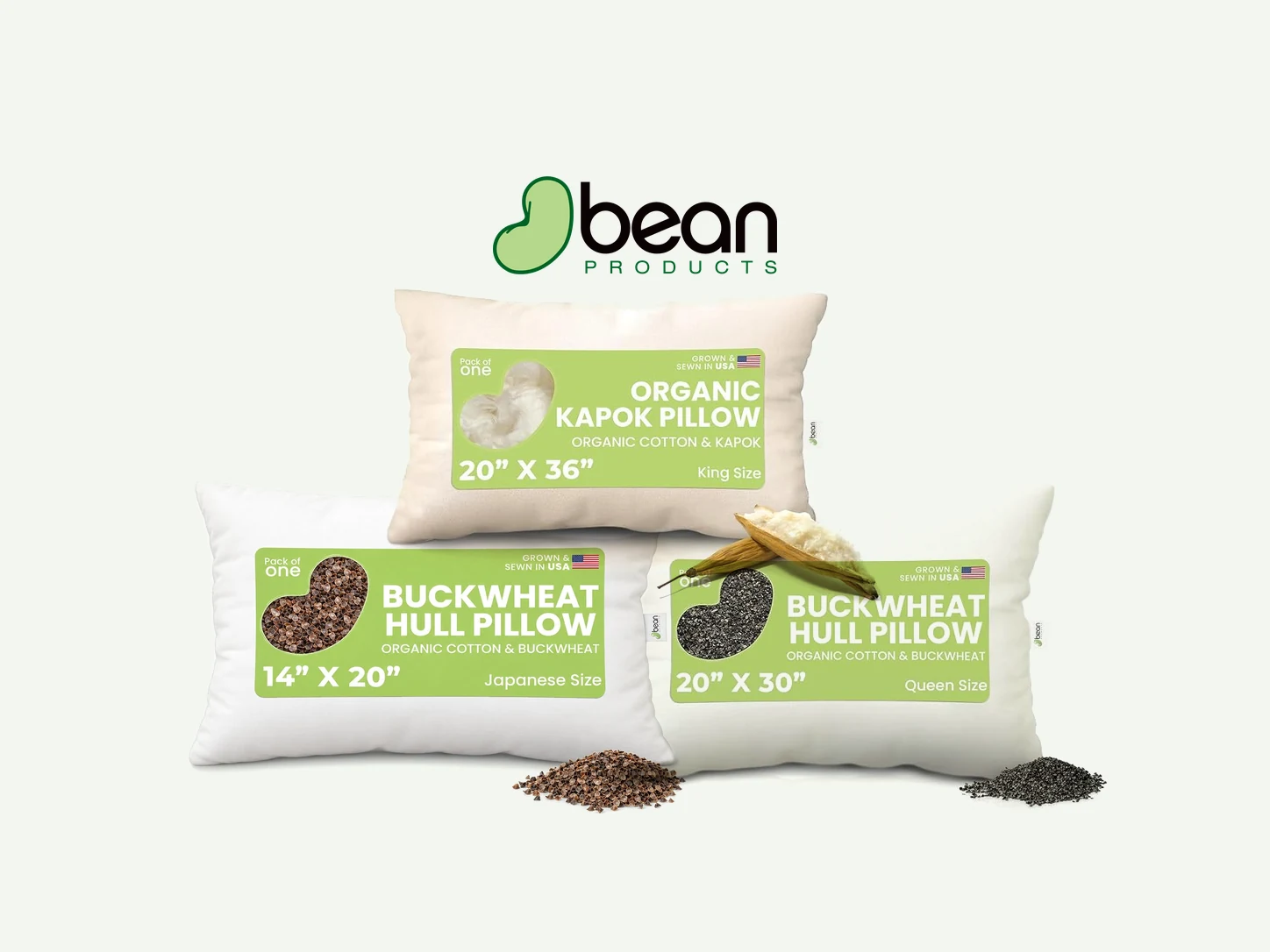
Bean Products, a U.S. home and wellness e-commerce brand, advertised in the U.S. and U.K. through Google Ads. The engagement focused on improving paid media efficiency and creating room to scale.
The Challenge
For four straight months, the account was stuck. Spend stayed consistent, but revenue and efficiency didn't move, and ACOS sat in the high 30s to high 40s.
No revenue exceeded $30,387 for this period of time, while by July revenue fell to the lowest value – $24,988 – with almost stable cost spendings. ROAS stayed within a narrow range from 216% to 257% throughout all the time, which is quite low compared to a properly working account. This corresponded completely to the problems that existed in the account structure – one mixed campaign Performance Max for USA and UK, lack of any audience targeting signals, lack of retargeting campaigns and lack of lookalike or similar audience campaigns on Google.
Our Strategy
The Performance Max campaign was broken out by geographies (bid and budgets were done separately for USA and UK), and asset groups were restructured by product category rather than all being put in one asset group.
We uploaded custom audience signals, including purchase and abandoned cart audiences, as well as in-market and affinity segments relevant to our products, so the algorithm now has a true sense of what constitutes a good customer. We created remarketing lists and applied them via RLSA to Search campaigns, as well as creating
audience campaigns based on top purchasers for cold reach with true signals. Created brand term focused search campaigns, target CPA focused shopping campaigns.
There were also Demand Gen campaigns implemented in order to increase awareness on YouTube, Discover, and Gmail by leveraging visual creative and short-form videos. The targeted reach campaigns took advantage of the same signals as purchase signals and helped prepare the audience for searching before even allowing them to do so.
Results
During the first month after the rebuild, the ACOS fell from 43% to 16%, which was the lowest ever recorded value, while the paid revenue almost doubled to $44,382 and the expenditure went down by 40% compared to the previous four months. It remained highly effective during the following months: ACOS remained within the range of 16-22% until December, which was only half compared to the pre-rebuild period, while the Shopify revenue exceeded $112,000 in December.
Growth wasn't perfectly linear. As spend was scaled up into the new year, from roughly $14,600 in January to $18,551 in February, ACOS crept back up to 28% and ROAS softened to 364%, a normal trade-off of pushing more budget into the account faster than the algorithm could immediately absorb it. March corrected that: with spend at $21,015, ROAS recovered to 419%, ACOS came back down to 23.88%, and the account posted its two biggest numbers yet, $88,002 in paid revenue and $115,589 in Shopify revenue, both the highest of any month on record.
Taken together, the eight months following the rebuild averaged a 20.6% ACOS and a 487% ROAS, against a 39-46% ACOS and a 216-257% ROAS in the four months before it. Paid revenue more than tripled at its peak, and Shopify revenue nearly doubled, all while the account gained the ability to keep scaling spend without efficiency collapsing, something the old structure was never able to do.
In the first full month after the rebuild, ACOS dropped from 43% to 16%, its best point on record, while paid revenue nearly doubled to $44,382 on 40% less spend than the prior four-month average. That efficiency held for the next several months: ACOS stayed in a 16-22% range through December, roughly half of what it had been pre-rebuild, while Shopify revenue climbed past $112,000 in December, the strongest month the store had seen up to that point.
Growth wasn't perfectly linear. As spend was scaled up into the new year, from roughly $14,600 in January to $18,551 in February, ACOS crept back up to 28% and ROAS softened to 364%, a normal trade-off of pushing more budget into the account faster than the algorithm could immediately absorb it. March corrected that: with spend at $21,015, ROAS recovered to 419%, ACOS came back down to 23.88%, and the account posted its two biggest numbers yet, $88,002 in paid revenue and $115,589 in Shopify revenue, both the highest of any month on record.
Results at a glance
Key Takeaways
- Separating the U.S. and U.K. campaigns gave each market its own budget and bidding strategy.
- Product-specific asset groups and purchaser signals gave the campaigns more focused inputs.
- The first full month reached 16% ACoS, and the account reached its highest recorded paid and Shopify revenue in March 2026.
